Equal Pay Law

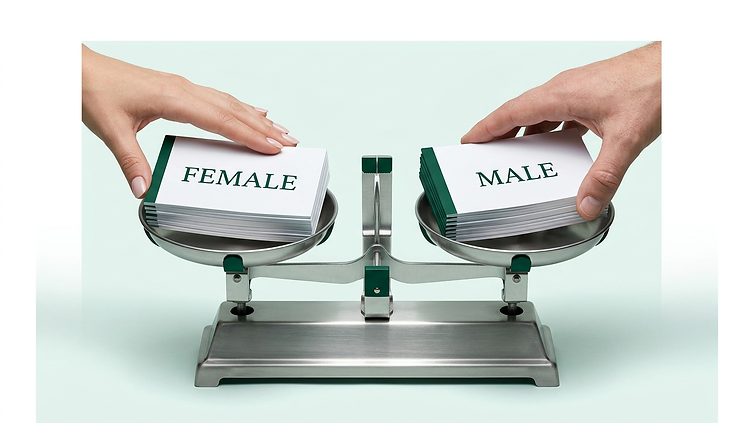
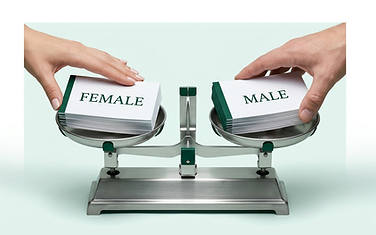
The Equal Pay Law is designed to ensure equal compensation between women and men performing equal work or work of equal value in the same workplace. This legislation represents a significant milestone in promoting workplace fairness and preventing gender discrimination. In this article, we explain the principles of the law, its importance, and ways to implement it in business organizations.
1. What is the Equal Pay Law and how does it affect the market?
The Equal Pay Law, enacted to narrow the wage gap between men and women, requires employers to provide fair compensation to employees regardless of their gender.
Key principles of the law:
-
Prohibition of wage discrimination between employees in the same position or in work of equal value.
-
Mandatory wage transparency in both the public and private sectors.
-
Providing employees with the ability to examine and compare their wages to those of their peers.
2. Why is it important to promote equal pay in organizations?
-
Increased motivation and retention – employees are more satisfied when they feel they are being compensated fairly.
-
Improvement of organizational reputation – an organization that implements equal pay is considered progressive and attractive to employees.
-
Mitigation of legal risks – proper implementation of the law prevents lawsuits and legal irregularities.
3. How can organizations implement the Equal Pay Law?
A. Conducting periodic wage audits
-
Comparing wage levels between employees in the same position and examining gender gaps.
-
Correcting unexplained gaps and improving the wage structure as needed.
B. Promoting compensation transparency
-
Displaying salary ranges to candidates and managers during recruitment.
-
Periodic information sharing with employees regarding the organization's wage policy.
C. Implementing gender awareness programs
-
Training for management and employees on gender equality and fair pay.
-
Structured processes for promoting women to senior positions and ensuring fairness in promotions.
4. How is the law enforced and what are the sanctions for employers?
-
Supervision by the Ministry of Labor and Welfare, which includes a mandatory wage reporting requirement.
-
The possibility of employee lawsuits in cases of wage discrimination.
5. Business advantages of equal pay
-
Attracting high-quality talent and improving the sense of belonging within the organization.
-
Creating a progressive organizational culture and reducing gender gaps.
-
Strengthening trust between management and employees and improving company performance.
The Equal Pay Law is a significant tool for promoting gender equality and improving the work environment. Correct implementation of the law helps organizations not only to comply with legal requirements but also to create a fair work culture that encourages collaboration and retains quality personnel.
If you want to ensure that your organization is implementing the Equal Pay Law correctly, contact us for consultation and guidance on adapting a fair and advanced compensation policy!
N E W !!!
- A dedicated application for building organizational gender reports from GHC. The application manages the report generation process from start to finish, including communication with employees, history retention, and employee notifications. The application is flexible, user-friendly, and features unique AI capabilities that allow the user to fully manage all analyses according to organizational needs and legal requirements. If necessary, our team of consultants will accompany you every step of the way during implementation!!